
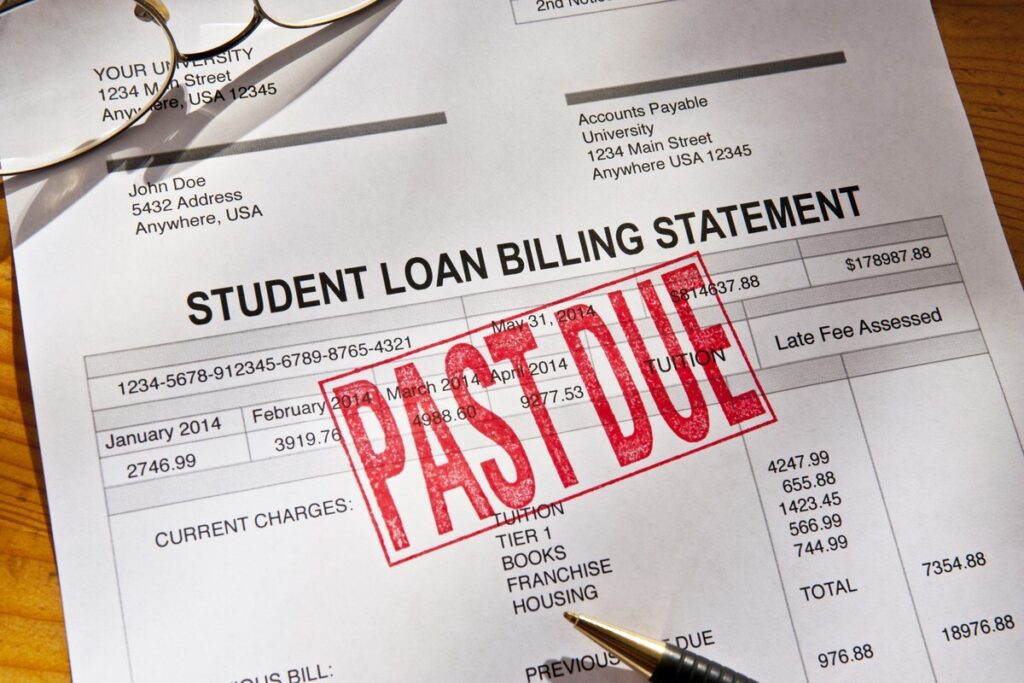
Can you discharge student loans through bankruptcy in Massachusetts? Yes, in some circumstances. Federal bankruptcy law generally makes certain student loans difficult to discharge, but it does not make them automatically nondischargeable. If repaying your student loans would impose an “undue hardship,” a bankruptcy court can discharge some or all of the qualifying debt.
Can I Discharge Federal Student Loans in Chapter 7 Bankruptcy in Massachusetts in 2026?
The answer depends on your individual financial circumstances.
Under 11 U.S.C. § 523(a)(8), certain federal and private educational loans are excepted from the ordinary bankruptcy discharge, unless repayment would impose an undue hardship on the debtor and the debtor’s dependents.
That means filing Chapter 7 bankruptcy does not automatically eliminate federal student loans. Instead, a debtor generally must file an adversary proceeding asking the bankruptcy court to determine whether the student loans qualify for discharge because of undue hardship.
The bankruptcy court, not the student-loan servicer or the DOJ, ultimately decides whether a discharge should be granted.
What Is the Undue Hardship Standard in Massachusetts?
Courts have developed different tests to determine whether repayment would cause undue hardship. Massachusetts bankruptcy courts generally apply a totality-of-the-circumstances approach.
Under the totality-of-the-circumstances test, the court considers:
- The debtor’s past, present, and reasonably reliable future financial resources;
- The debtor’s and dependents’ reasonably necessary living expenses; and
- Other relevant facts and circumstances specific to the debtor’s situation.
The central question is whether the debtor can maintain a reasonable, minimal standard of living now and in the foreseeable future while still making student loan payments.
How Does the DOJ Student Loan Bankruptcy Attestation Work in Massachusetts?
In 2022, the DOJ, working with the Department of Education, introduced a standardized process for federal student loan bankruptcy cases. The process is designed to give debtors a clearer way to present information about their financial circumstances and give government attorneys a consistent framework for evaluating requests for discharge.
The process includes an Attestation Form, which was updated in May 2025. The Attestation asks for information regarding matters such as:
- Household income
- Monthly expenses
- Employment
- Student loan balances and payment information
- Education and employment history
- Assets and other financial circumstances
- Efforts to manage or repay the loans
- Additional circumstances supporting an undue-hardship claim
The DOJ guidance directs government attorneys to consider three principal questions when evaluating whether to recommend discharge: whether the debtor currently lacks the ability to repay, whether that inability is likely to persist, and whether the debtor has acted in good faith in attempting to repay the loans.
The Attestation does not mean the government automatically approves a discharge. It is part of the process the DOJ and Department of Education use to evaluate the request. The bankruptcy judge still makes the final decision.
What Happens in a Chapter 13 Bankruptcy?
Chapter 13 can provide a different way to address student-loan debt.
A Chapter 13 plan may address student loans as part of the debtor’s overall financial restructuring. However, completing a Chapter 13 plan generally does not discharge debts under § 523(a)(8). In other words, legally nondischargeable student loans usually survive the ordinary Chapter 13 discharge.
Nevertheless, a debtor can pursue an undue-hardship determination through an adversary proceeding. The appropriate strategy depends on the debtor’s income, other debts, student-loan type, and long-term financial circumstances. If you have student loans and are considering filing Chapter 13, speak with an attorney about your options.
What About Private Student Loans in Massachusetts?
Not every private educational loan necessarily falls within § 523(a)(8), meaning not all are nondischargeable in bankruptcy.
The statute covers certain qualifying educational loans, including certain “qualified education loans” as defined by federal tax law. Whether a particular private student loan meets this definition can require a close examination of the loan’s purpose, terms, and history.
Courts outside the First Circuit have also addressed circumstances in which certain private educational loans did not fall within § 523(a)(8)’s nondischargeability provisions. Because those decisions do not necessarily control a Massachusetts bankruptcy court, borrowers with private loans should have the specific loans analyzed rather than assuming they are either dischargeable or nondischargeable.
The Bottom Line
If you need student loan bankruptcy discharge in Massachusetts, do not assume bankruptcy cannot help simply because you have federal or private student loans.
The process generally involves:
- Filing a Chapter 7 or Chapter 13 bankruptcy case
- Filing an adversary proceeding regarding student loan dischargeability
- Providing financial and other information relevant to showing undue hardship
- Completing the DOJ Attestation when applicable to federal student loans
- Allowing the bankruptcy court to determine whether the statutory undue-hardship standard has been satisfied
Because Massachusetts courts generally apply the totality-of-the-circumstances approach, your entire financial picture matters. Income, necessary expenses, dependents, employment prospects, age, health, and other circumstances can all be relevant.
If you are struggling with student loan debt in Massachusetts, speaking with a Massachusetts bankruptcy attorney can help you determine whether Chapter 7, Chapter 13, an adversary proceeding, or another strategy best fits your circumstances.
Frequently Asked Questions
Can I discharge federal student loans in Chapter 7 bankruptcy in Massachusetts in 2026?
Potentially. Certain federal student loans can potentially be discharged if the bankruptcy court determines that repayment would impose an undue hardship. In Massachusetts, courts generally evaluate undue hardship under the totality-of-the-circumstances test. You generally must file a separate adversary proceeding.
Can private student loans be discharged in Massachusetts bankruptcy?
Potentially. Section 523(a)(8) does not cover every debt that might be called a “student loan.” Some private educational loans may fall within the statute, while others may not. To determine whether the debt is subject to the undue-hardship requirement, you must review the loan documents, the loan’s purpose, and the applicable law.
Bankruptcy Questions? Let Us Help
Are you looking for a dependable, experienced lawyer to represent you in your bankruptcy filing? Daigle Law Office’s attorneys can provide you with experienced Massachusetts bankruptcy help. Dealing with debt is hard, especially when creditors are pestering you. We help clients dealing with tough situations who need solid, reliable legal advice. To schedule a consultation, call 508-771-7444 or use our convenient Contact Form.